
There is a pattern most marketing teams will recognise. A campaign brief goes out, influencers are selected, content goes live, numbers are pulled, and then everyone moves on.
Then, the next campaign starts from scratch. New brief, new search, new set of influencers, new hope that this time the results will be better.
It is a cycle that feels productive because things are always moving. But moving is not the same as building. And for most brands, the gap between the two is where a significant amount of budget slowly disappears.
The Real Cost of Running Influencer Campaigns in Isolation
Most brands approach influencer marketing like a project, not a channel.
There is a campaign for the product launch, one for the seasonal push, maybe one tied to a cultural moment. Each one is treated as its own thing, and when it ends, so does the thinking behind it.
The problem is not the campaigns. It is what gets left behind when they finish. Every campaign tells you something useful:
- which influencers actually drove results
- which content formats resonated
- what the audience responded to and what they ignored
- what the campaign truly costs per meaningful outcome
When brands treat each campaign as a one-off, those learnings go nowhere. The next campaign starts from the same place as the last. Same guesswork, same manual effort, same inconsistent results.
Trend Participation Is Not an Influencer Marketing Strategy

Trend-chasing is the one-off mindset in a different outfit. A format blows up on TikTok, a sound goes everywhere, and the instinct is to get in before the moment passes.
Staying relevant matters. But when trend participation becomes the strategy, the brand ends up optimising for the algorithm rather than for its audience. The influencer who fits the trend may have nothing to do with the brand’s actual customer. The content that performs in the feed may not reach the people most likely to buy.
And when the trend moves on, there is nothing left to build on.
What Consistency Actually Looks Like
Shifting from campaign-to-campaign thinking to building a real influencer channel comes down to asking different questions. Not just “did this campaign work?” but “what did we learn, and how does that change what we do next?“
It starts with how you select influencers
Follower count is easy to look at. It is also one of the least reliable indicators of whether an influencer will perform for a specific brand, audience, and goal. The more useful measures are:
- Engagement consistency over time, not just a strong recent month
- Audience demographics and how closely they map to the brand’s target customer
- Past campaign performance across different briefs and categories
- Pricing benchmarked against real results, not self-reported rates
An influencer with a smaller but highly relevant audience who delivers reliably is worth considerably more than a larger name who looks good on paper.
It continues with what you measure and when
Most campaign measurement happens after the fact. The report arrives, numbers are reviewed, and the campaign is closed. By that point there is nothing left to act on.

Brands that treat influencer marketing as a channel measure differently. They track performance while the campaign is live, watch which influencers and formats are pulling ahead, and shift resources accordingly.
They compare results against pre-campaign forecasts and carry those learnings into the next campaign rather than starting the analysis over.
It compounds over time
Consistent audience targeting, reliable influencer relationships, and data that carries forward does not just deliver results. It delivers improving results.
The matching gets sharper, the cost per outcome comes down, and the audience builds real familiarity with the brand through repeated exposure rather than a single impression.
The Role of Performance and Predictive Data
Every campaign a brand runs generates something valuable beyond the results. It generates knowledge, like:
- what kind of content their audience actually responds to
- which influencer profiles convert rather than just attract attention
- what a realistic cost per outcome looks like for their specific category and goals
The brands that pull ahead are not necessarily the ones spending the most. They are the ones applying what they learned last time to what they are doing now. Each campaign becomes a reference point that makes the next one sharper, because decisions are informed by what has actually worked rather than what looked promising in a search result.
But that only happens when the data carries forward, and that starts with treating every campaign not as a standalone project but as one part of a longer, compounding strategy.
From Campaigns to a Channel
Approaching influencer marketing with the same discipline as any other performance channel is not a complicated shift. It is a mindset one. Clear selection criteria, consistent measurement, and data that carries forward rather than starting over every time.
The brands that look back and point to influencer marketing as something that genuinely moved their business forward are rarely the ones that had a single standout campaign. They are the ones that kept showing up, kept refining, and kept building on what they knew.
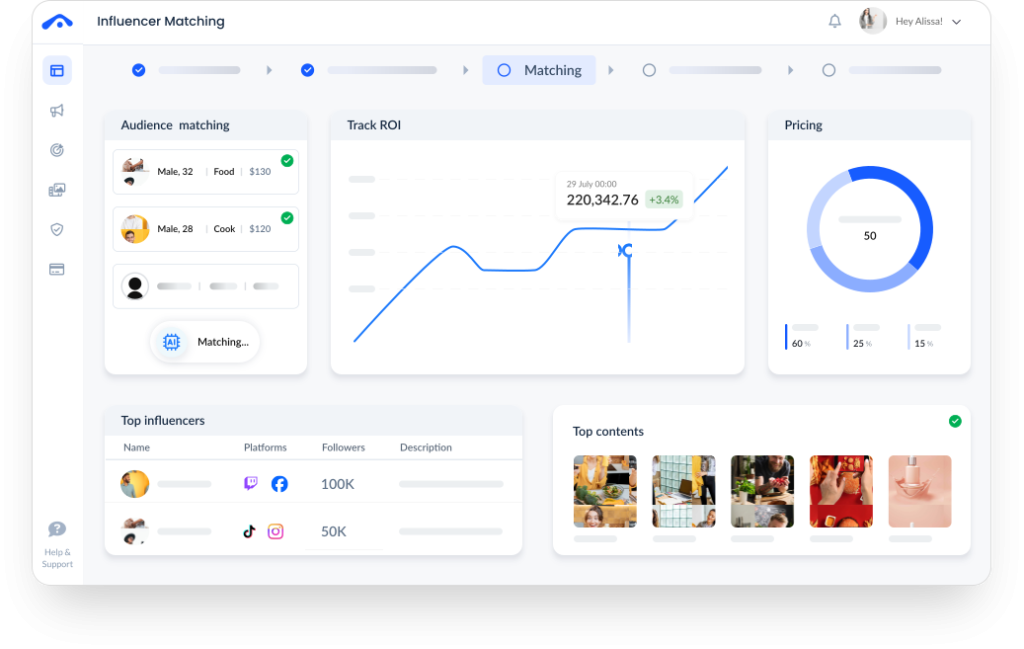
This is where AtisfyReach is built to help.
Every campaign run on the platform adds to a growing pool of performance data, which means the matching gets more accurate, the forecasts get more precise, and the results get more predictable over time. The more campaigns a brand runs, the better the system understands what works for their audience, their goals, and their category. It is not a one-off tool. It is a platform designed to get better the more you use it.
Explore our AtisfyReach resources or book a free demo to see what that looks like in practice.