It used to be simple. You reached out to an influencer, asked for a rate, and decided yes or no.
Today? Influencer pricing feels more like reading a menu with no prices. Everyone’s charging something different. The same post type could cost S$200 or S$2,000 depending on who’s quoting. And the reason behind the numbers? Often unclear.
For brands trying to scale influencer marketing or justify spend, it’s easy to feel lost. Are you overpaying? Underpaying? Missing something entirely?
Let’s pull back the curtain. Because the truth is, there isn’t just one way to pay influencers anymore. From follower-based tiers to dynamic pricing powered by AI, the models are shifting. And the most effective brands are shifting with them.
Here’s how influencer pricing actually works today, and what you need to know before launching your next campaign.
1. Tier Pricing Based on Follower Count
One of the most common pricing methods in influencer marketing is based on follower count. At Atisfyre, we categorise influencers into five tiers:
- Pico: Fewer than 1,000 followers
- Nano: 1,000 to 9,999 followers
- Micro: 10,000 to 99,999 followers
- Mega: 100,000 to 999,999 followers
- Celebrity: 1 million followers and above
These rates give brands a useful baseline to start budgeting. But it’s important to note that follower count alone doesn’t reflect the full value of an influencer. Two influencers with the same following might drive wildly different results, depending on content quality, engagement, and community trust.
Tier pricing offers structure, but smart marketers know to go beyond just the numbers.
2. Deliverable-Based Pricing
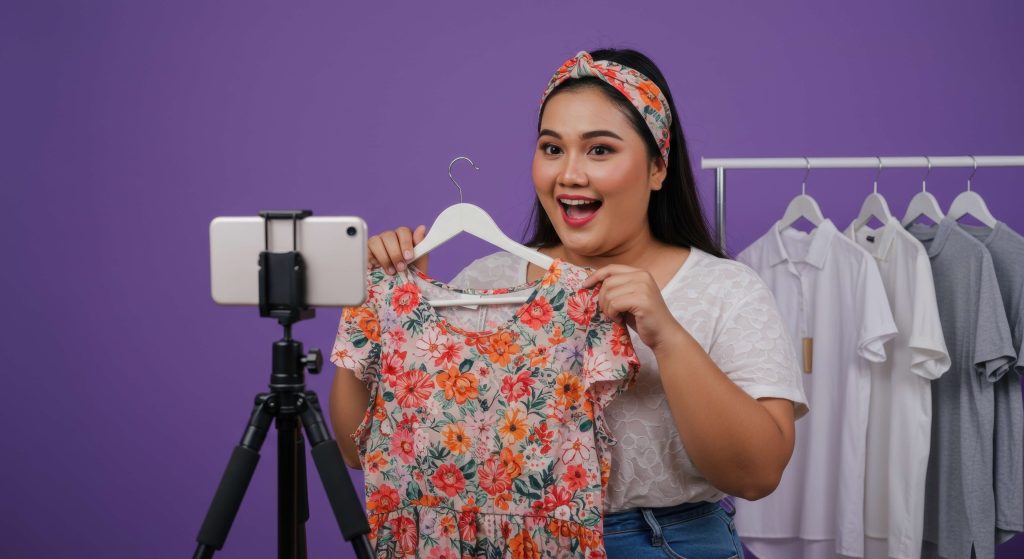
Some influencers quote based on what you’re asking them to do, not who they are. This may include:
- A single Instagram post
- 1 TikTok video
- A set of Stories with links
The logic is simple: more effort equals more cost.
For example:
- A TikTok video by a micro-influencer might start around S$150 to S$300.
- A 3-frame Story series might go for S$50 to S$100, depending on the influencer tier.
- Add-ons like content usage rights could increase the cost by 30% or more.
This model works best when your campaign is clear and straightforward. You know what you want. They know how much time it’ll take. Everyone gets paid accordingly.
3. Value-Based Pricing
Value-based pricing is when an influencer sets their price based on how much value they believe they bring to your brand. It is not about the number of posts or followers. It is about the quality of their influence.
Think of a parenting influencer whose followers trust every product recommendation. Or a beauty influencer whose followers actually buy what they feature.
In Singapore, this pricing model is common among:
- Influencers in tight verticals like food, wellness, or parenting
- B2B influencers with niche audiences
- Influencers who consistently convert followers into customers
Rates can vary widely. A food influencer might charge S$500 or more for a single post if they know their audience buys. It is not always about reach, but about impact.
4. Performance-Based Pricing
Performance-based pricing means you pay for results, not just content.
This could include:
- Pay-per-click
- Pay-per-conversion
- Commission from tracked sales
It works best when:
- You have proper tracking in place
- The influencer agrees to the structure
- You are focused on long-term ROI
Think of it like affiliate marketing with more personality.
5. Dynamic AI-Powered Pricing

This is the most forward-thinking approach. Instead of static rates, platforms like AtisfyReach use data and AI to recommend pricing based on:
- Past campaign performance, including reach and engagement rates
- Market trends across platforms
- Influencer behaviour and consistency
- Campaign goals and industry category
For example, if your goal is brand awareness, AtisfyReach will recommend influencers with strong reach efficiency and estimate a budget that makes sense across influencers. If your goal is conversion, it prioritises influencers with action-driven content and adjusts budget to maximise results.
It is not about guessing. It is about letting performance data guide what you pay, so you avoid overpaying for underperformance.
It’s Not About Paying Less or More. It’s About Paying Smarter.
Influencer pricing is not a one-size-fits-all model. The key is knowing which pricing structure works best for your campaign goals.
- Tier pricing gives you a rough baseline
- Deliverable pricing matches cost to effort
- Value-based pricing reflects trust and niche authority
- Performance-based pricing aligns payment with results
- AI-powered pricing balances data, trends, behaviours and goals
At AtisfyReach, our AI-powered pricing considers your campaign goals, historical performance, influencer behaviour, and current market trends to recommend pricing that delivers. Whether you’re launching your first campaign or optimising your next one, we help you get more from your budget by replacing guesswork with strategy.
Want to see how your current pricing strategy measures up? Book a call with us and unlock a better way to price, partner, and perform.