Influencer marketing budgets have never been larger, and the problem of fake influencer activity has never been more sophisticated.
The methods used to manufacture fake influence have kept pace with, and in some cases outpaced, the tools most brands use to detect them.
What used to be obvious has been replaced by something considerably harder to catch.
This article gives marketers a more honest picture of what fake influencer activity looks like today and what it actually takes to identify it reliably.
Why Fake Influencer Activity Is Harder to Spot Than It Used to Be
A few years ago, identifying a fake influencer was relatively straightforward.
Follower counts that jumped overnight and comment sections full of generic praise were easy tells that even a basic manual review would catch.
Today, the tools used to manufacture fake influence are specifically designed to pass the kind of manual checks that brands and agencies rely on.
- AI-generated comments now mimic genuine human responses closely enough that reading through a comment section manually will not reliably flag them.
- Follower growth can be paced to look organic, engagement pods produce activity from real accounts that platform algorithms treat as legitimate.
- Incentivised engagement creates metrics that look meaningful but tell you nothing about genuine audience interest.
The result is that an influencer can look credible across every surface-level check and still deliver campaign results that fall significantly short of what the numbers suggested.
What to Actually Look For
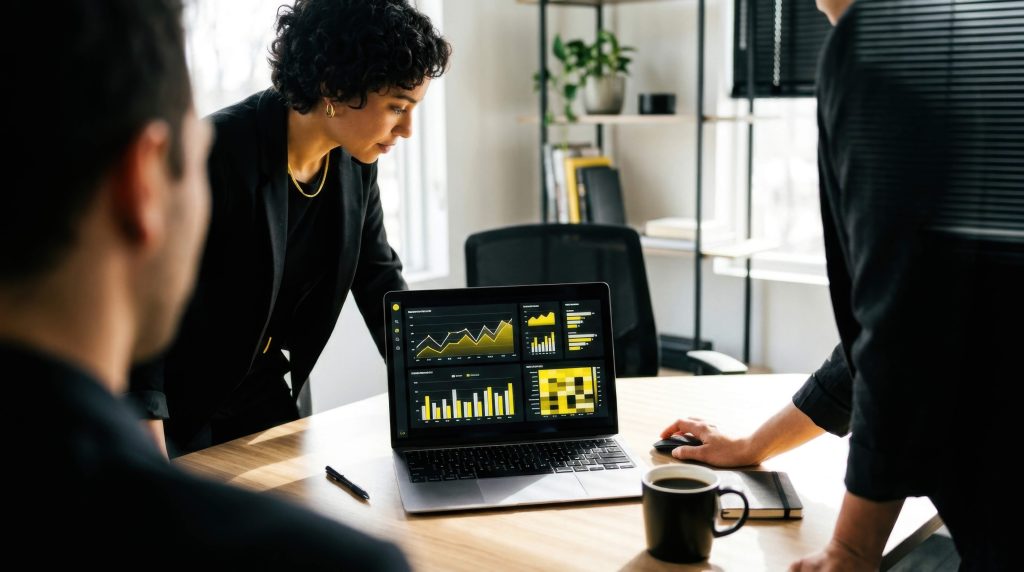
Identifying fake influencers reliably requires looking beyond the metrics that are easiest to access and focusing on the ones that are harder to manufacture.
Audience quality, not just audience size
The composition of an influencer’s follower base matters more than the total number. Look at the ratio of active to inactive accounts, whether the geographic distribution of followers makes sense for the influencer’s content and language, and whether follower profiles appear complete and genuine.
An influencer based in Singapore with 80% of their audience concentrated in unrelated markets is a signal worth investigating before any budget is committed.
Engagement behaviour over time, not just the rate
Engagement rate as a single number is easy to manipulate and easy to misread. What is considerably harder to fake is consistent engagement behaviour over an extended period.
Sudden spikes following periods of low activity, comments that cluster in unnatural time windows, and sentiment that reads uniformly positive regardless of the content topic are all patterns that emerge when you look at an account’s history rather than its current state.
Follower growth consistency
Organic follower growth follows recognisable patterns tied to content performance, platform algorithm changes, and moments of external visibility. Artificial growth does not follow those patterns.
Accounts that show sudden, unexplained follower spikes followed by periods of flat or declining growth are worth scrutinising more carefully than the follower count alone would suggest.
Content and audience alignment
One of the more reliable indicators of a genuine influencer is whether their audience actually engages with their content in ways that reflect real interest.
Comments that reference specific details from a post, questions that suggest the audience watched or read the content carefully, and conversations that develop naturally in the comment section are harder to manufacture than simple engagement metrics.
Why Manual Vetting Is Not Enough

Checking a hundred influencers with the same level of care as one or two is not realistic, and manual vetting has a fundamental limitation that no amount of care can fully overcome.
Here is where it falls short:
- It gives you a picture of an influencer at one point in time, and fake activity is specifically designed to look convincing at exactly that moment
- It cannot realistically assess engagement patterns, follower growth curves, and audience composition changes over an extended period
- It misses the more sophisticated tactics, particularly AI-generated engagement and manufactured engagement from real accounts, that are built to pass manual review
- It does not scale without either significant time investment or a meaningful drop in the quality of the review
AI-powered platforms track influencer behaviour continuously rather than capturing a single snapshot, which means anomalies that would not register in a manual review become visible when you are looking at trend data over time.
How AtisfyReach Approaches This
AtisfyReach treats fake influencer detection as part of the matching process itself rather than a separate audit step that happens after the fact.
Every influencer in the network is continuously screened for fake followers, bot activity, AI-generated engagement, and manufactured engagement patterns through machine learning models that track behaviour over time rather than at a single point.
By the time an influencer is matched to a campaign on AtisfyReach, the audience quality assessment has already been done. The platform has already filtered for authenticity before the campaign goes live, so brands are not discovering fake audience issues after the budget has been spent.
This matters for one practical reason. Discovering that an influencer had a fake audience after a campaign has run is useful information for next time. Catching it before the campaign goes live is what actually protects the budget.
Why Fake Influencer Detection Directly Impacts Campaign ROI
Fake influencer detection is not a box-ticking exercise. It is one of the most consequential decisions in the campaign planning process, and the brands that treat it that way consistently get better results than those that rely on surface-level checks.
The signals that reveal fake activity are in the data. Knowing what to look for, and working with platforms that are continuously reading those signals, is what separates campaigns that deliver from campaigns that look like they should have but did not.
If you want to see what that looks like in practice, our Customer Stories show how brands across Singapore and Southeast Asia have run campaigns built on verified influencer data and authentic audiences. Or if you are ready to see how it works for your next campaign, book a demo and get in touch with us.