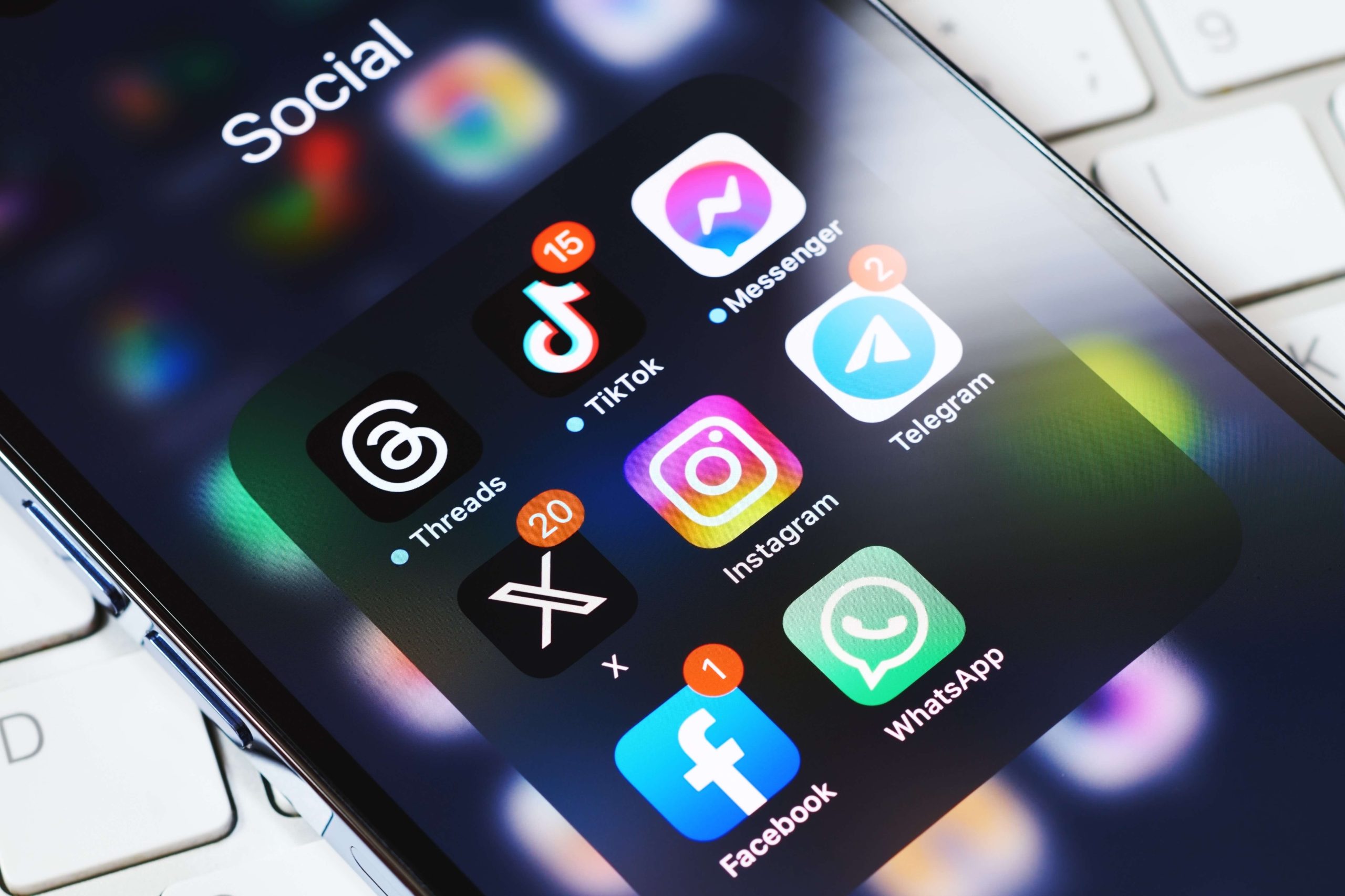
Planning a campaign used to feel simpler. You picked a platform, built your content around it, and focused on getting it right. Now, with the rise of social platforms, there are more options and complexities than ever before.
Now, the moment a campaign starts to take shape, the options multiply. TikTok for reach, Instagram for engagement, YouTube for longer storytelling, maybe even Facebook or Twitch depending on the audience.
The question rarely stays as “which platform should we use”. It quickly turns into something else.
Do you focus on one and do it well, or spread across multiple and hope it works together?
Most brands land somewhere in between, and that is usually where things start to get complicated.
Why choosing the right social channels matters more today
The way people move across platforms has changed.
Discovery, validation, and decision-making no longer sit in separate stages. They happen across different channels, often within the same day. Someone might come across a product on TikTok, check reviews or comments on Instagram, and then look for a deeper explanation on YouTube before deciding.
People don’t think about platforms when they’re consuming content. They move from one piece of content to another.
That changes how campaigns need to be planned. Choosing the “right” channel is not enough if each platform is treated separately.
How brands choose social channels and where it breaks

In practice, most campaigns fall into one of two patterns.
Some brands focus on a single platform, usually where they feel most confident. It is easier to manage, brief, and measure.
Others try to be present everywhere, especially when budgets allow for it. Both approaches can work, but they come with trade-offs.
When everything sits on one platform:
- reach is limited to how that platform behaves
- the campaign depends heavily on one format and one type of content
When everything is spread across multiple platforms without structure:
- messaging starts to drift
- content feels repetitive rather than coordinated
- performance becomes harder to read
Multichannel, without a clear role for each platform, tends to create more noise than results.
How to decide which social channels matter for your campaign
Choosing the right social channels becomes much easier when you start with what you are trying to achieve, not the platforms.
Most campaigns come down to a few core goals. You are either trying to get your brand noticed, build enough interest for people to consider it, or get them to take action.
Each platform plays a different role depending on what you prioritise.
- If your goal is awareness, TikTok tends to work well. It puts your product in front of large audiences quickly through short-form videos. For newer brands or SMEs, this builds visibility fast. For established brands, it keeps the brand present, reaches new audiences, and helps you stay relevant as content trends change.
- If your goal is building interest, Instagram becomes more relevant. People spend time reading comments, watching Stories, and seeing similar posts from different influencers. That repeated exposure helps people form an opinion over time, whether they are coming across your brand for the first time or seeing it again.
- If your product needs more explanation, YouTube is often the better fit. It gives space for reviews, tutorials, or longer content that answers questions and shows how the product works. This is where uncertainty gets reduced and confidence builds before someone decides.
- If your focus is reaching a broader audience, Facebook can still play a role. It extends visibility beyond platform-specific users and helps keep the campaign present across different audience groups.
For example, a local F&B brand might first get attention on TikTok through short videos, then show up again on Instagram through influencer posts and reviews, and later share longer content on YouTube or Facebook to explain their menu or story. Each platform looks different, but they all support the same brand idea.
How to run multichannel campaigns more effectively
Multichannel campaigns perform better when they are built as a single system, rather than a collection of separate executions.
The message needs to stay consistent, even if the format changes. The targeting should remain aligned, even when the content looks different. The timeline should feel coordinated, not staggered by platform.
This usually comes down to a few practical decisions.
Start from one campaign, not multiple setups
When each platform is planned separately, the campaign fragments early. Starting from a single structure keeps everything aligned from the beginning.
Keep one clear and consistent brief across channels
The message should not change just because the platform does. What can change is how that message is expressed.
Let formats adapt, not the idea
Short-form videos, stories, and long-form content can all carry the same idea in different ways. The format should adjust to the platform, not the other way around.
Align timelines and targeting
When content goes live at different times with slightly different audiences, it weakens the overall effect. Coordination creates stronger reinforcement.
When these elements come together, multichannel stops feeling like extra work and starts to feel like a more complete campaign.
Why multichannel campaigns feel harder than expected
The complexity does not come from the platforms themselves. It comes from how they are managed.
Most tools and workflows still treat each platform separately. That means:
- campaigns are set up multiple times
- data is spread across different dashboards
- performance is harder to compare
The more channels you add, the more fragmented the process becomes. What should feel like one campaign ends up behaving like several.
Making multichannel work in practice
Managing each platform separately may work early on, but it becomes harder to keep everything aligned as campaigns expand.
A more effective way is to approach multichannel as one campaign with multiple outputs. This is where AtisfyReach helps, by allowing campaigns to be set up and managed from a single entry point instead of separate workflows.
In practice, that looks like:
- starting from one campaign setup instead of creating separate entries for each platform
- working with integrated access across channels like TikTok, Instagram, YouTube, Facebook, and Twitch
- keeping one shared brief and targeting approach so the message stays aligned
- running everything on the same timeline so the campaign builds momentum across platforms
When everything runs together, the campaign feels connected rather than fragmented, and more time goes into performance instead of coordination.
Choosing the right social channels for your campaign
Choosing the right social channels is rarely about picking one platform.
It comes down to how your audience moves across platforms, and how each channel supports the same idea in different ways.
Once that is in place, multichannel becomes less about managing more channels and more about creating consistent touchpoints.
A single entry point and unified setup make that easier to manage. Everything sits in one place, which helps keep messaging aligned and performance easier to track.
If you want to explore how multichannel campaigns can be managed from a single entry point, book a free demo with AtisfyReach.