
There is a point in most influencer campaigns where the content starts to feel slightly off.
Sometimes it looks too polished and reads like an ad. Other times it feels natural, but the product message becomes unclear or easy to miss.
This is where brands start to question how much control is needed, and how much freedom should be given.
The issue is rarely one or the other. It usually comes down to how authenticity and brand messaging are handled together, and where that balance is drawn.
Why this tension exists
This tension did not come from brands suddenly becoming stricter or influencers becoming more expressive. It comes from where the content now lives.
Most influencer content sits in personal feeds, not brand spaces. It appears between everyday posts, conversations, and whatever else the algorithm decides to surface. That context shapes how people consume it, even before they process what is being said.
Brand messaging, by nature, is structured while platform content is not. When one is placed directly into the other without adjustment, the mismatch becomes obvious.
Lean too much into structure and the content starts to feel like an ad. Let go of it completely and the message begins to lose shape. Most campaigns do not fail because of either extreme, but because they never quite resolve that gap.
What authenticity means in influencer marketing
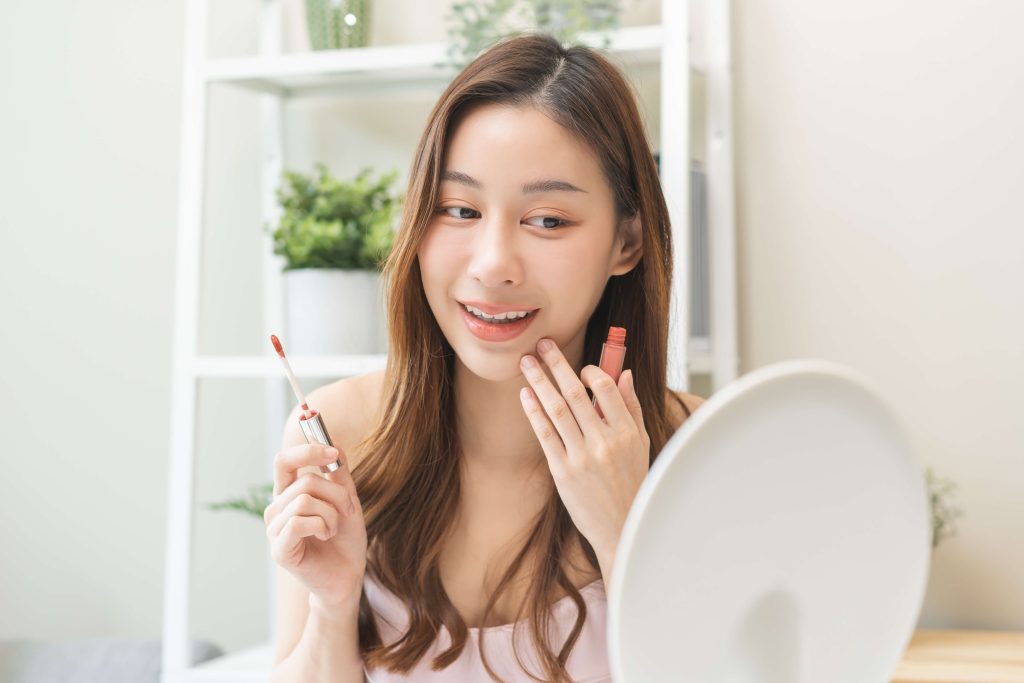
Authenticity often gets treated as a broad idea, but in practice it is much more specific.
It is less about giving influencers complete freedom, and more about whether the content feels like something they would normally post. You can usually tell this quite quickly, not because anything is obviously wrong, but because something feels slightly out of place.
When the content aligns with how the influencer usually creates content, nothing feels out of place. The audience does not have to adjust to a different version of that person, which makes the content easier to accept.
In that sense, authenticity is less about personality and more about consistency.
What brand messaging requires in influencer campaigns
On the other side, brands are not wrong to want a certain degree of control.
There are always a few things that need to come through, no matter who is creating the content:
- what the product does
- What the brand stands for
- how it should be positioned
- what cannot be misrepresented
Where it becomes tricky is how that clarity is delivered.
It is easy to assume that the more detailed the direction, the clearer the message will be. In reality, that often leads to content that feels constrained, even if everything being said is technically correct.
Clarity actually comes from alignment, not control. Once the key message is understood and agreed on, the delivery tends to work better when it is shaped by the influencer rather than prescribed by the brand.
Where influencer campaigns lose authenticity or clarity

A brief becomes slightly too detailed, and the influencer starts following instructions instead of creating content in their usual way. Or it goes in the opposite direction, where too much flexibility leads to each piece of content landing differently.
There are also moments where content gets approved because it is correct, even though something about it feels off. It is hard to point to a specific issue, but it just does not sit naturally in the feed.
Over time, these small decisions add up:
- the content still goes live
- the campaign still runs
But the response is weaker than expected.
How to balance authenticity and brand messaging in campaigns
The balance becomes easier to manage when the campaign is structured with a bit more intention.
Separate the message from how it is delivered
The message itself needs to remain clear across all content, but how that message is expressed does not need to be identical. Once those two are separated, it becomes easier to maintain consistency without forcing every post into the same format.
Define what the audience should take away
Instead of focusing on exact wording or scenes, it helps to be clear on what the audience should understand after watching, and what should feel obvious. That creates direction without limiting how the influencer gets there.
Get the selection right early
Selection plays a larger role than most people expect. When the influencer already aligns with the product and the audience, the content tends to fall into place more naturally. The message does not need to be forced, and the tone does not need to be adjusted.
Avoid fixing misalignment through control
When the fit is not there, the instinct is often to manage the content more closely. That is usually where it starts to feel less natural, because the content is being shaped to compensate for something that should have been decided earlier.
Build consistency through repetition, not control
Consistency often comes from seeing the same idea expressed across different influencers over time. Each piece may look slightly different, but together they build a stronger impression than trying to perfect a single execution.
Why authenticity matters more in influencer marketing today

Audiences today are quick to notice when something feels slightly out of place. It is not always a strong reaction.
More often, it shows up subtly:
- people scroll past
- engagement drops
- the content does not carry the same weight
At the same time, content is no longer judged in isolation. Comments, replies, and how others engage all shape how a post is interpreted.
That means the way something is delivered carries just as much weight as what is being said.
Because of that, the balance between authenticity and brand messaging is not just a creative consideration. It directly affects how the campaign performs once it is live.
Balancing authenticity and brand messaging effectively
The goal is not to choose between authenticity and brand representation.
It is to make sure they work together without pulling in different directions.
When the message is clear and the content feels like it belongs in the feed, both can exist without tension. The brand comes through, and the content still feels natural to the audience.
That is usually the point where campaigns stop feeling like campaigns, and start feeling like something people are willing to engage with.
If you want to see how AI-powered influencer selection can help you find influencers who naturally align with your brand and campaign goals, book a free demo with AtisfyReach.